Use of the Vehicle
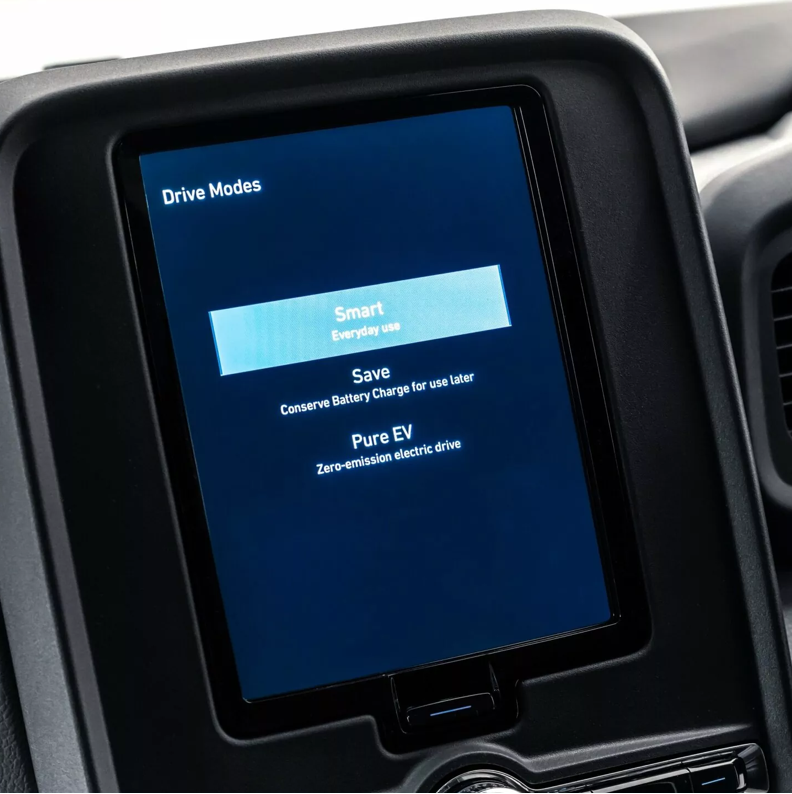
With 3 driving modes, the new EV model performs very differently in terms of range, emission as well as fuel efficiency.
本项目正文暂仅提供英文版本。
London is aiming to become net zero-carbon in 2030. One of the major efforts is to make its traffic and transport cleaner and more sustainable. TfL (Transport of London) draws a clear line of the target groups which need to switch to electric vehicles, with taxis being a main focus. Since 1 January 2018, all newly licensed taxis must be zero emission capable (ZEC), which means the switching to the new EV model will be a must for the city's taxi drivers sooner or later.
The policy shift has placed immense pressure on them to transition their fleets to electric vehicles, a daunting prospect given the profound changes required in their daily operations and routines.
For the drivers switching to electric vehicles, the cost of learning is larger than we thought. Getting familiar with EV means they need to prepare themselves in these three aspects:
With 3 driving modes, the new EV model performs very differently in terms of range, emission as well as fuel efficiency.
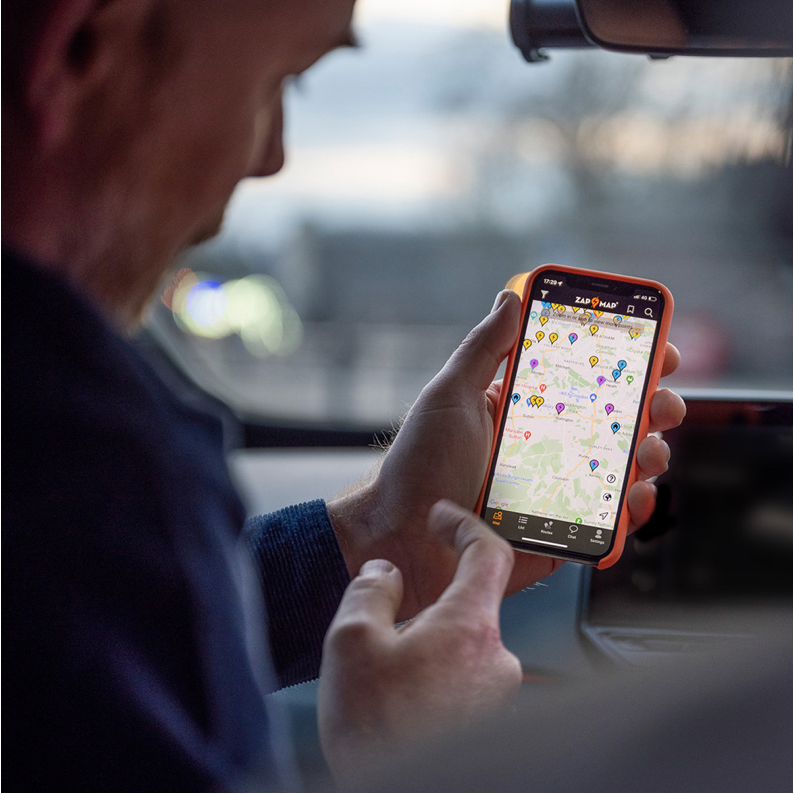
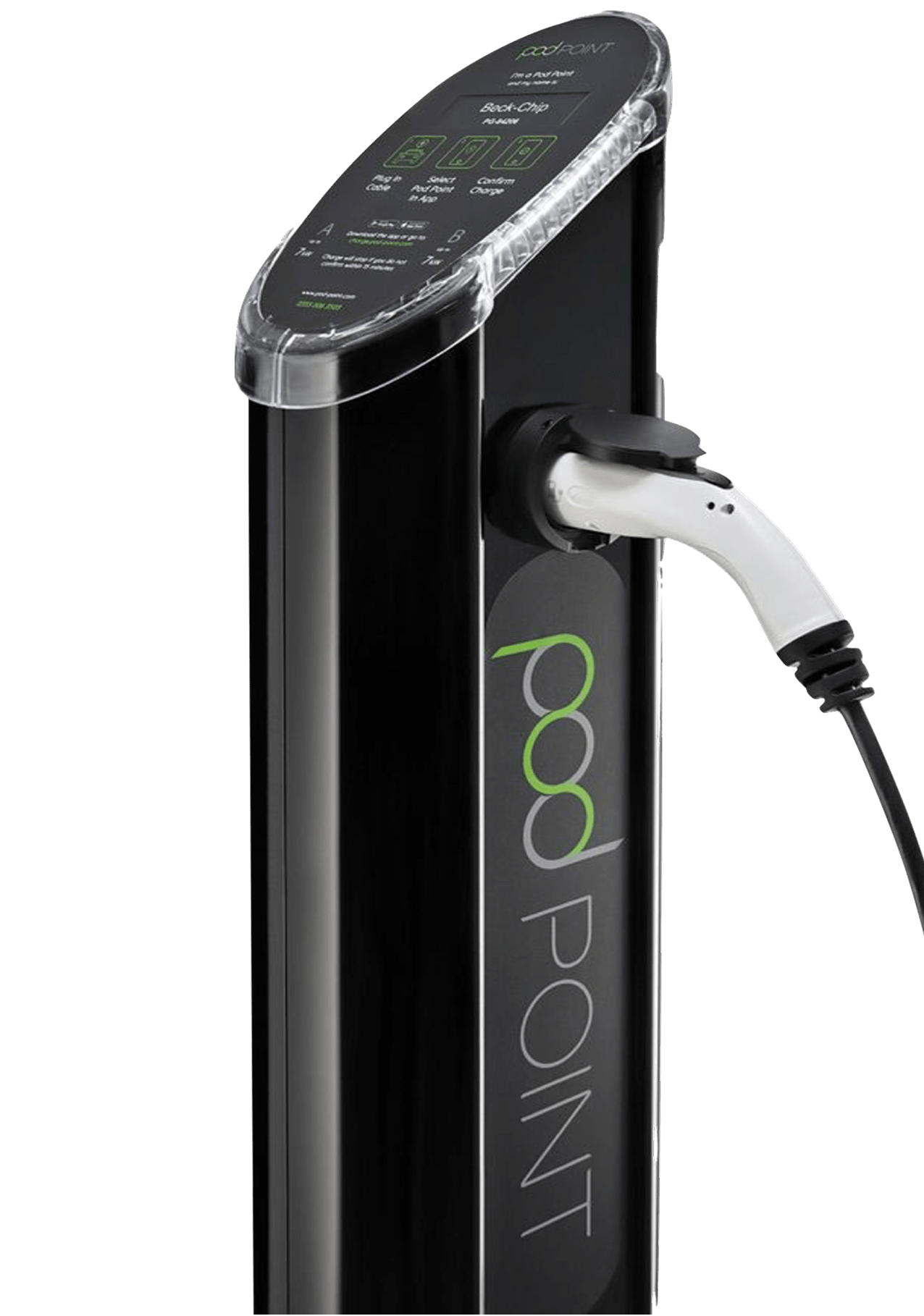
Finding chargers requires planning, anticipating traffic and a bit of luck to get to charge one’s vehicle right upon arrival of the spot.
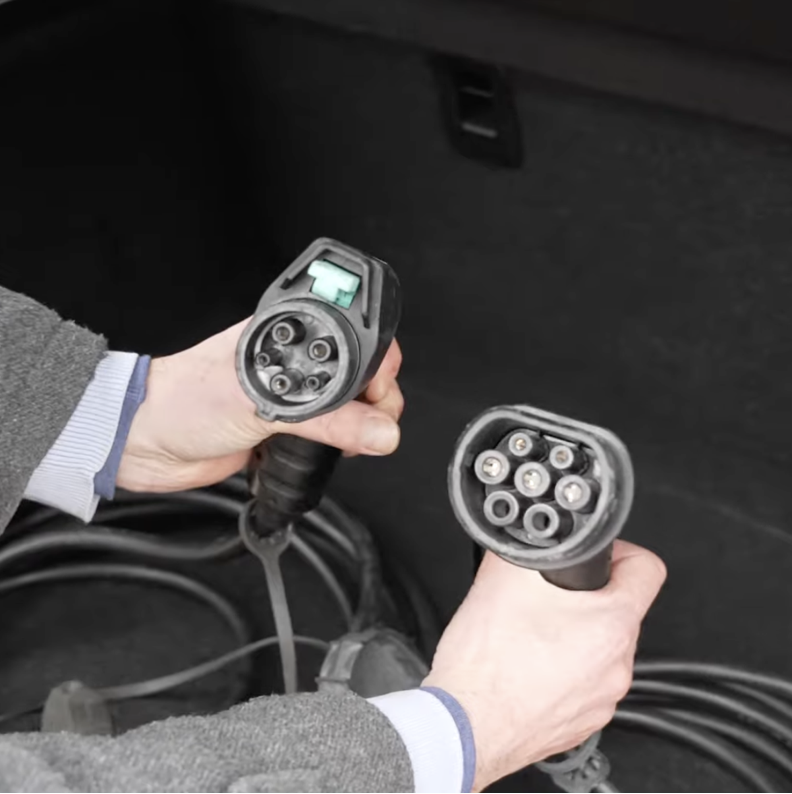
There are over 80 charging operators in London with various facility, app platforms as well as payment methods.
Less than a quarter of the interviewees were classified as "Careful Planners" - those who proactively plan their charging needs and save their time as much as possible.
In contrast, the majority of drivers fell into the "Late Adopter" category. These individuals struggle with learning and adapting to new EV models, often viewing traditional petrol cars as the safer, more familiar choice.
Passive quitters, finally, are those who outright resist the idea of switching to EVs, believing the charging process will be detrimental to their work productivity and income.
Through rounds of interviews and on-site observations, it is revealed that there are three distinct archetypes of taxi drivers when it comes to adopting electric cars.
“Charging is easy as long as you know how to plan ahead”
“I know the EV mode is good and it saves. But I don’t wanna rely on it”
“I will drive on petrol anyways. At least I won’t wait on charging and lose money”
Several key factors impeding the widespread adoption of EVs among London's taxi drivers are uncovered.
Given that the careful planners already cope well with the system, our focus shifted to encouraging more late adopters and passive quitters to become more comfortable with the charging process. To this end, we first uncover their main obstacles by mapping their journeys.
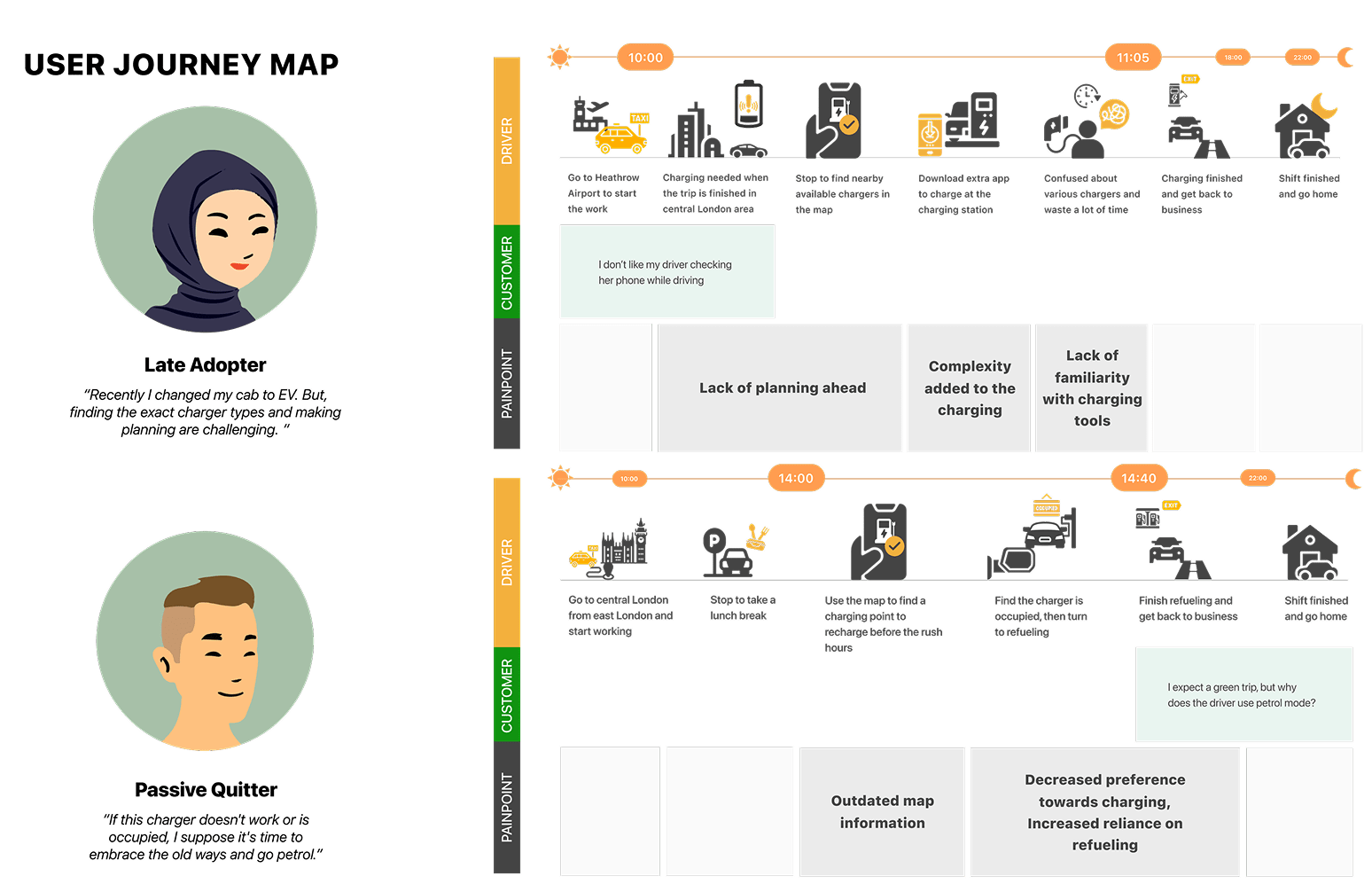
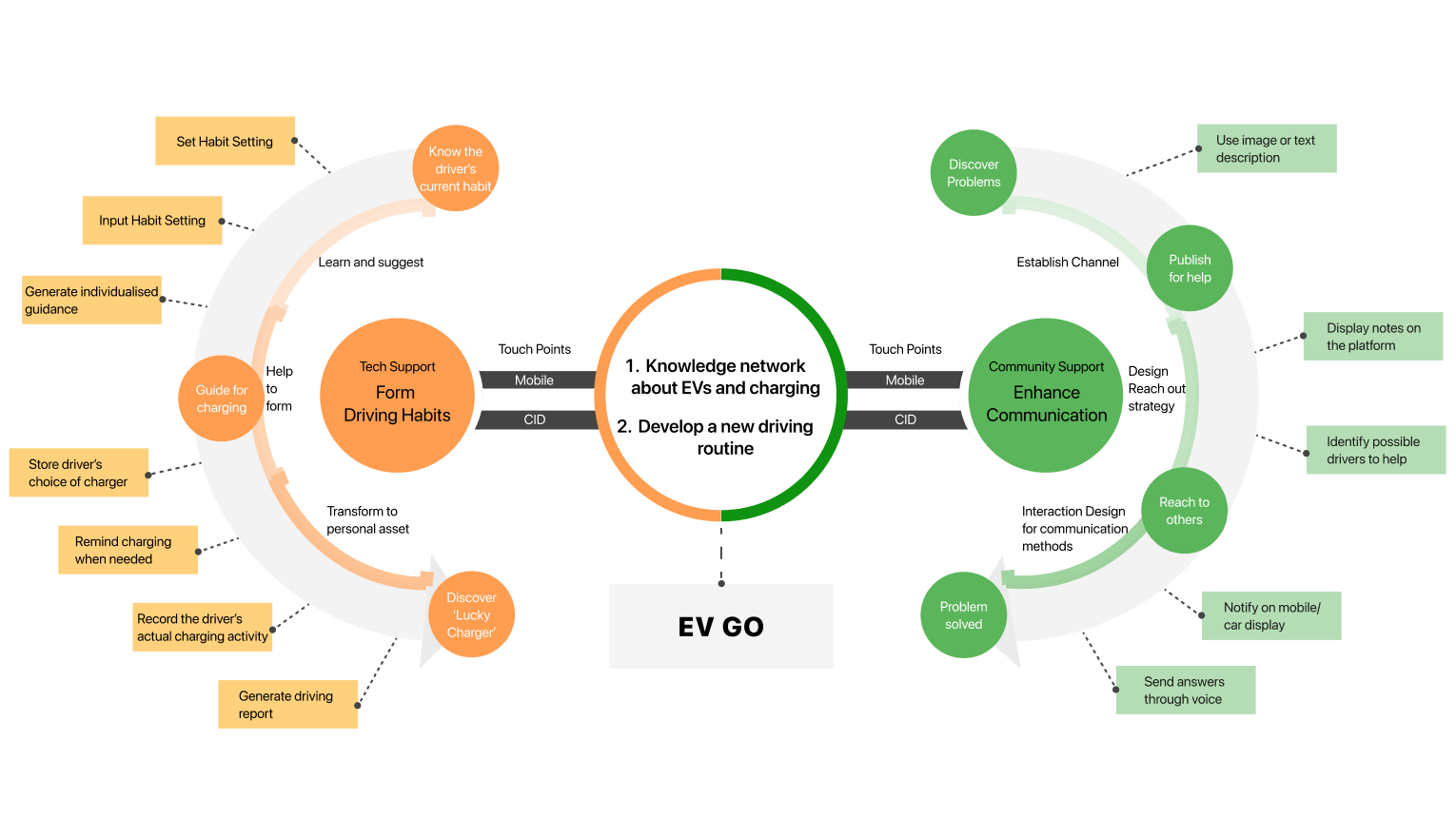
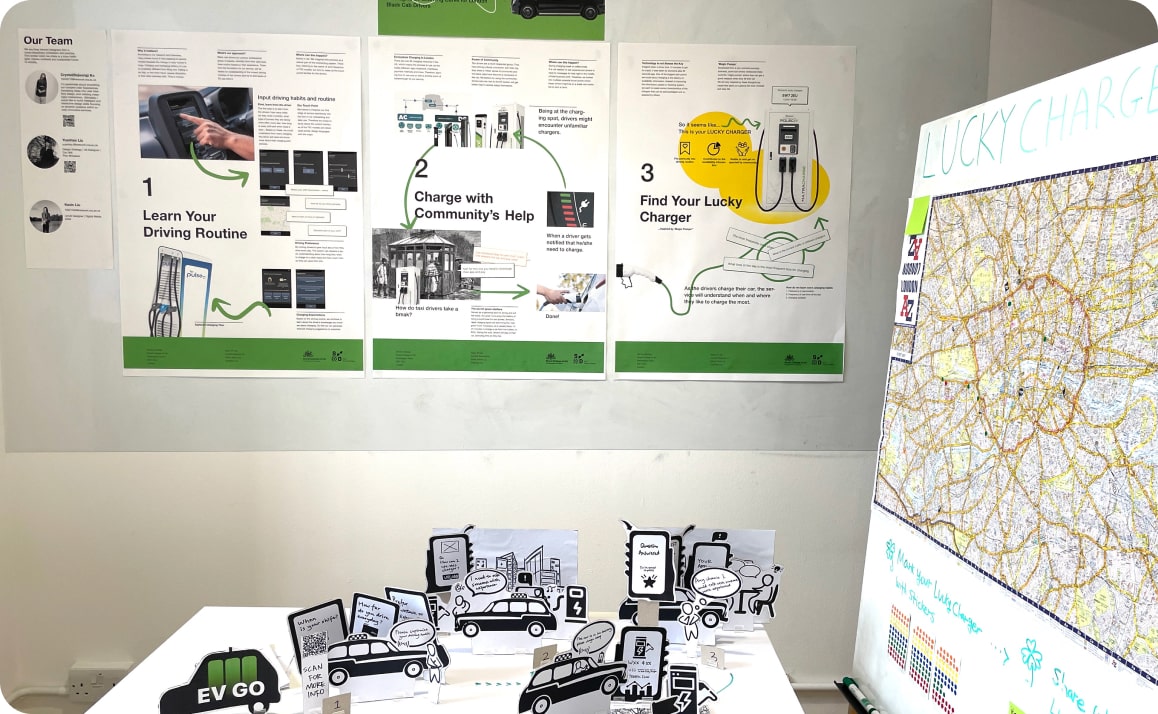
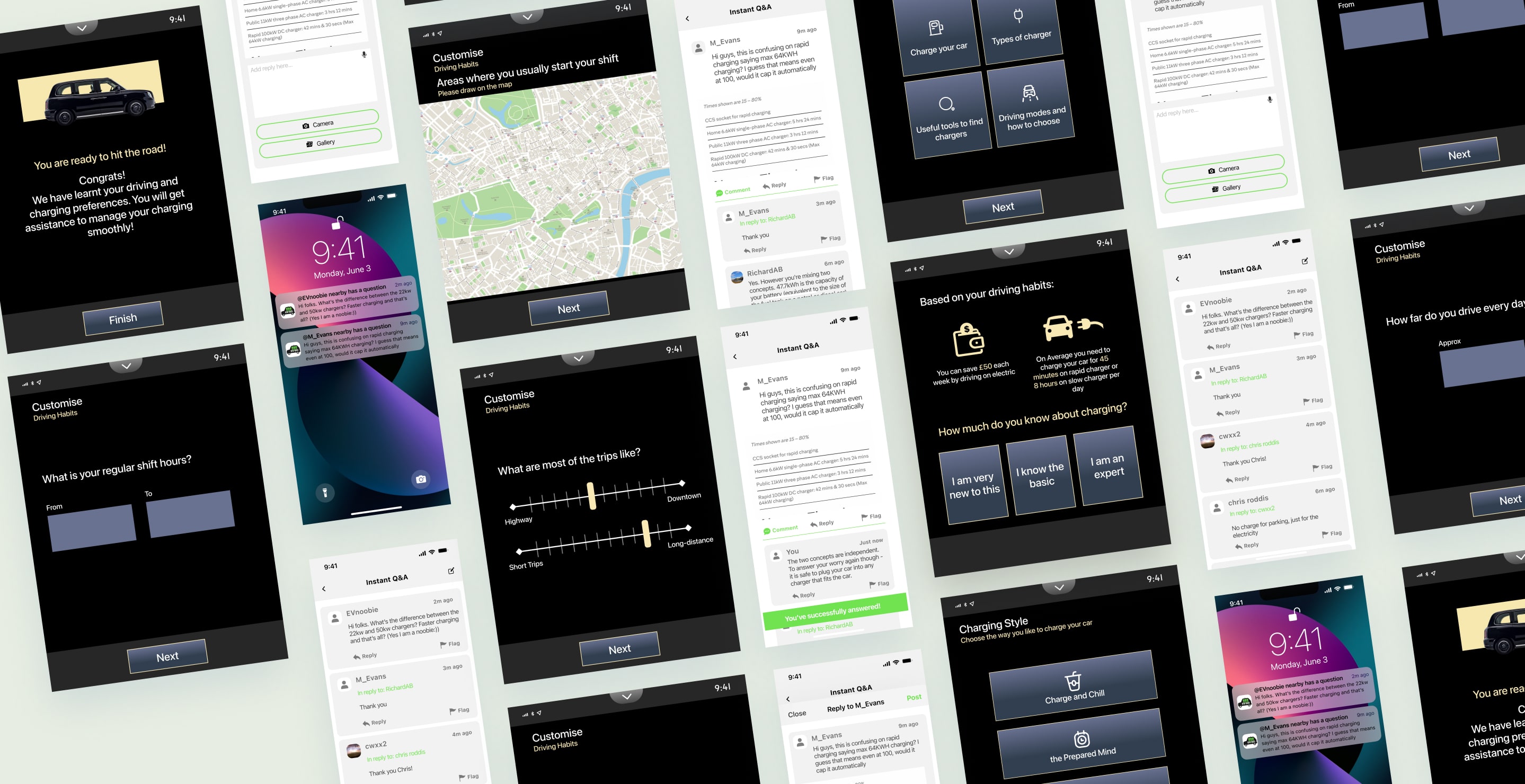
Refresh driving routines. Drivers do not want another learning curve to tackle the current one, and therefore we created our introducing steps based on a good understanding of one’s current driving habits.
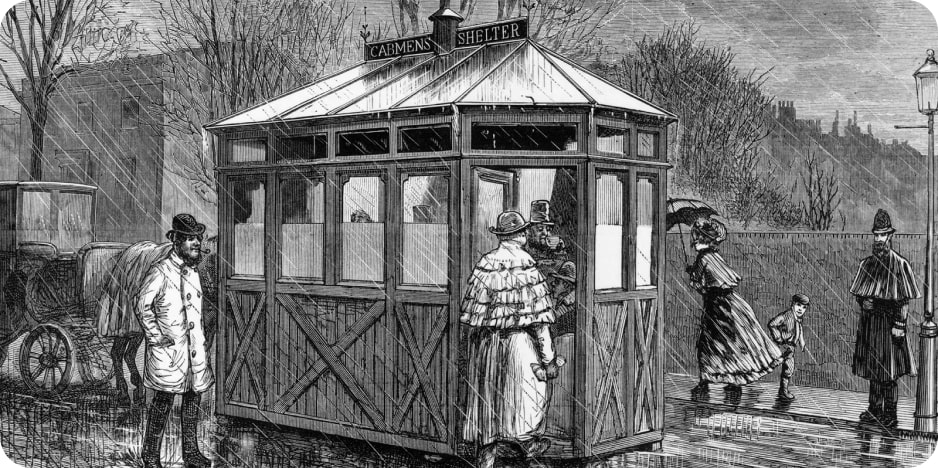
Enhance driver communications. Taxi drivers are tribal and they closely attach themselves with their community. Our approach is to build up a channel in their community that connect drivers who have a problem with the experienced ones.
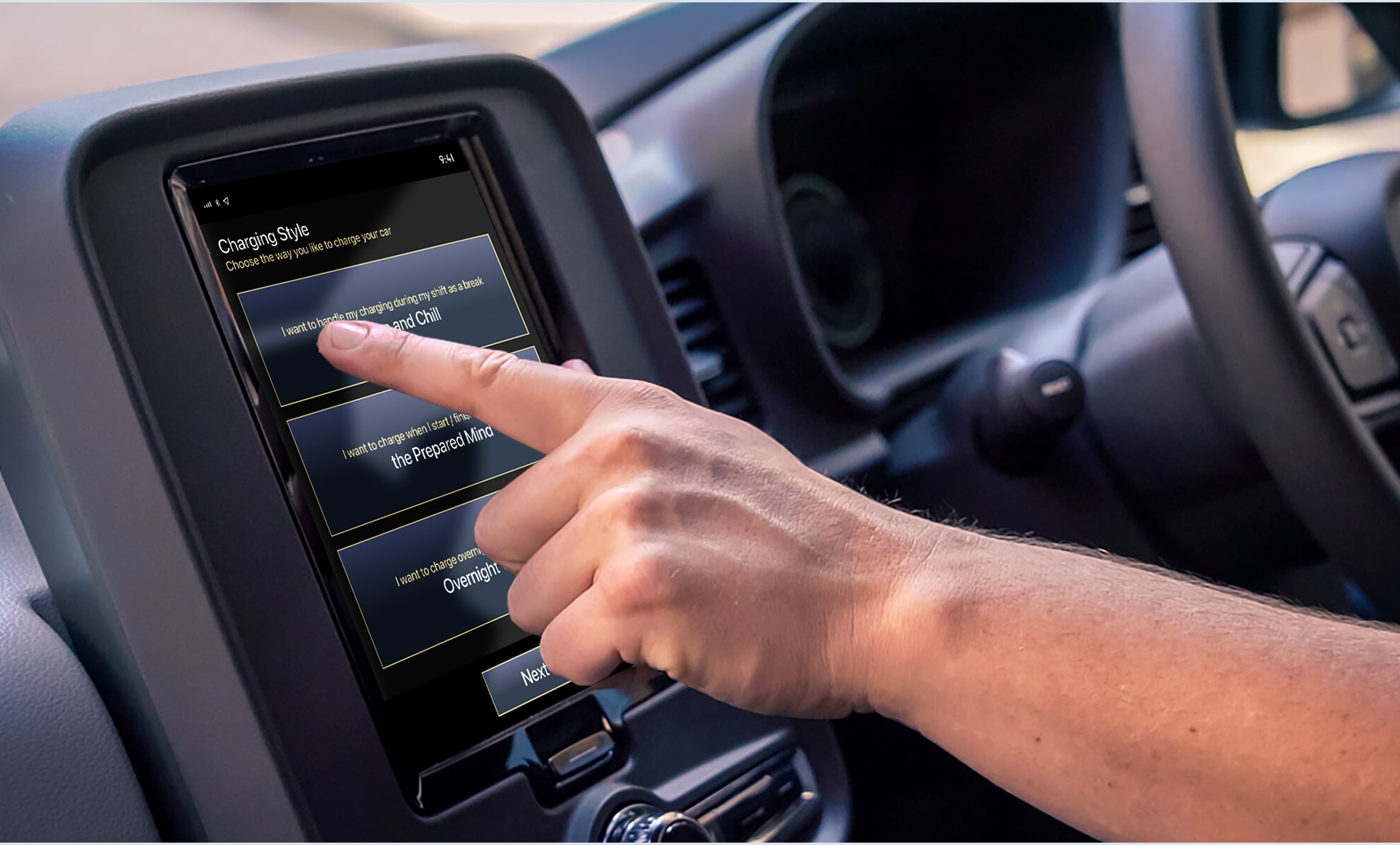
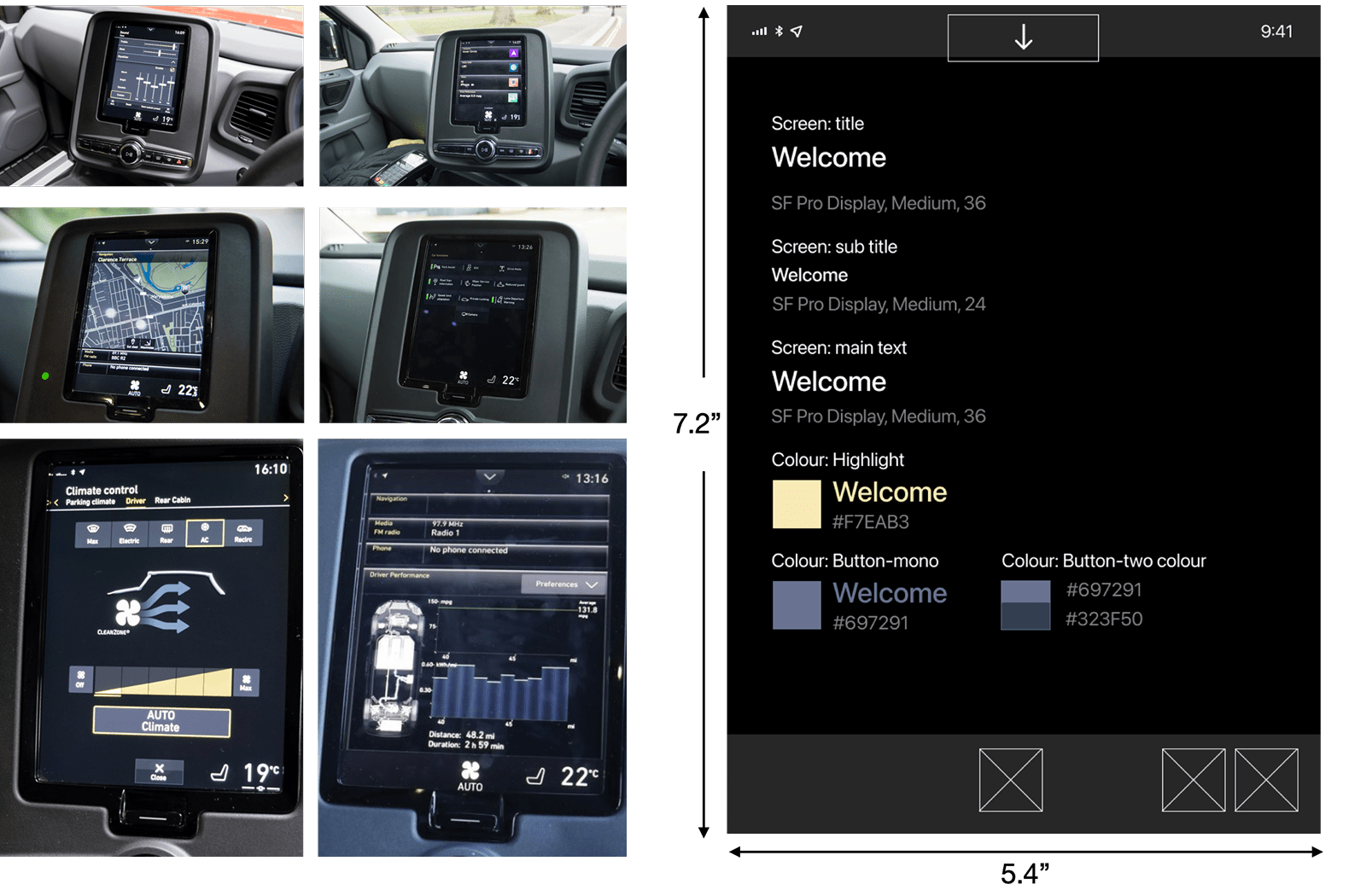
Charging data is the key to help us develop a more tangible anticipation of charger availability and better connect people within the community. We studied all the major interfaces of the current taxi OS and developed a consistent visual and design language for our HMI.
Taxi driver community is a long-existing tradition in London. Recognizing the "tribal" nature of this group, we harness this social dynamic to facilitate knowledge sharing and peer-to-peer support.
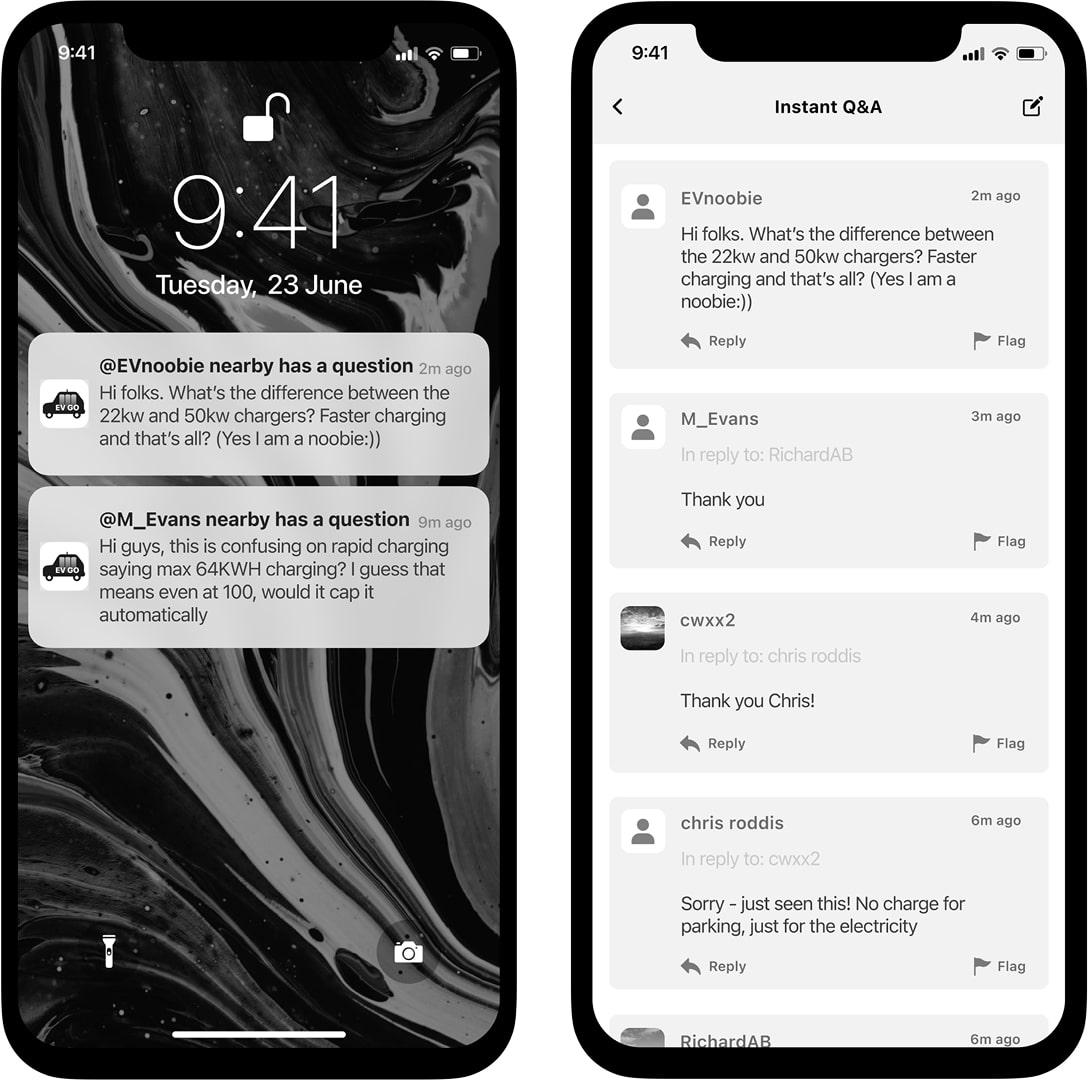
“Everyone may have issues when they start EV, I can surely help some of them out, when I am in my lunch break…just quickly type in, that’s it.”
“You know, taxi driver is a lonely job, sometimes it is good to find someone to talk to.”
This approach was rooted in the understanding that taxi drivers are often more receptive to advice and guidance from their fellow peers, a dedicated community platform is therefore developed where drivers could connect, ask questions, and learn from more experienced EV users, creating a self-sustaining ecosystem of EV knowledge and support.
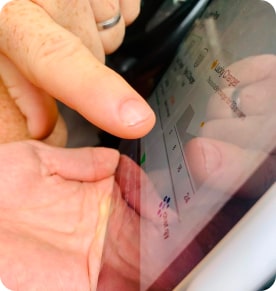
Collect behavioral data of drivers to help ease the burden of EV learning for busy taxi drivers. Through in-vehicle interfaces, the drivers' current driving habits like shift hours, daily mileage etc. can be tracked and analyzed, along with their very own charging experience and knowledge.
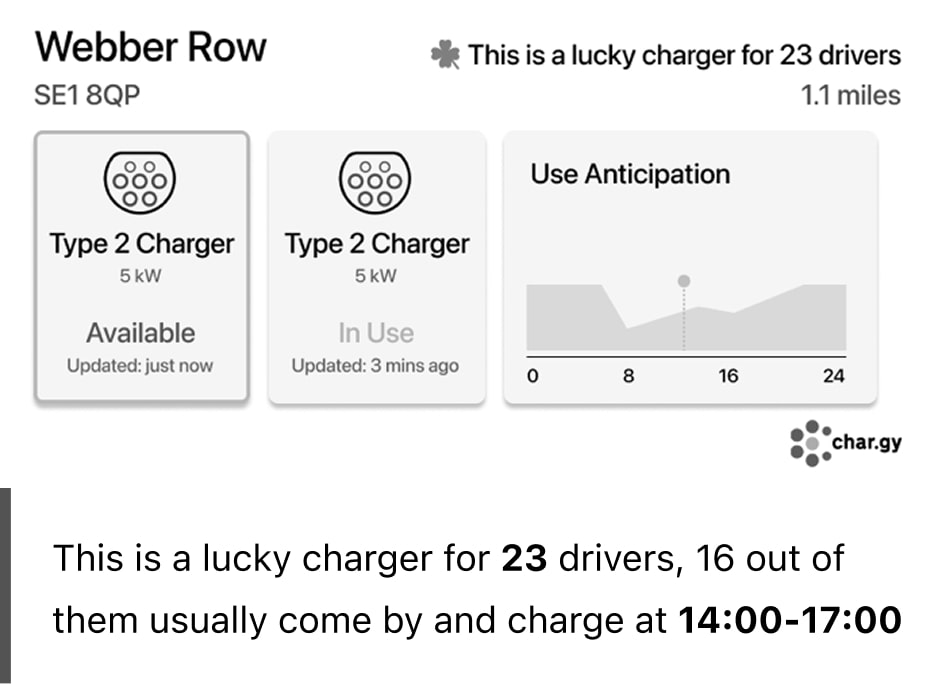
As a driver continues his/her driving and succeeded charging several times, the system may understand his/her charging pattern better and promote a "lucky charger" instead.
“I go to the same garage, the same pump every day because I’m convinced I get a good measure from there… I’m very superstitious about pump number six. It is my lucky pump.”
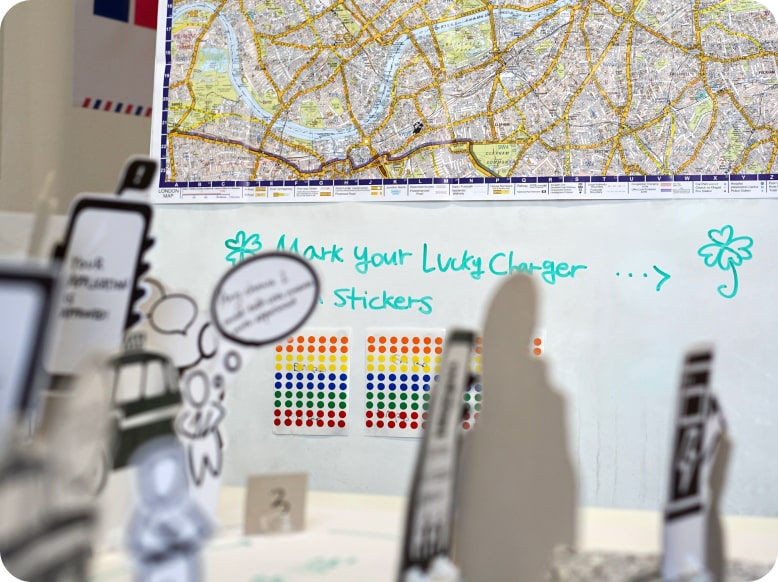
By tapping into the drivers' superstitious tendencies to use the same refueling/recharging spots repeatedly, a personalized, anticipatory system called lucky charger - the most frequently, regularly used, and highest rated charger of a driver, is developed to minimize the cognitive load and time investment required to locate and access charging infrastructures.
The "Lucky Charger" feature leverages data from the feature I to provide drivers with real-time predictions on the availability and utilization of preferred charging locations across different time periods, enabling drivers to make more informed decisions.
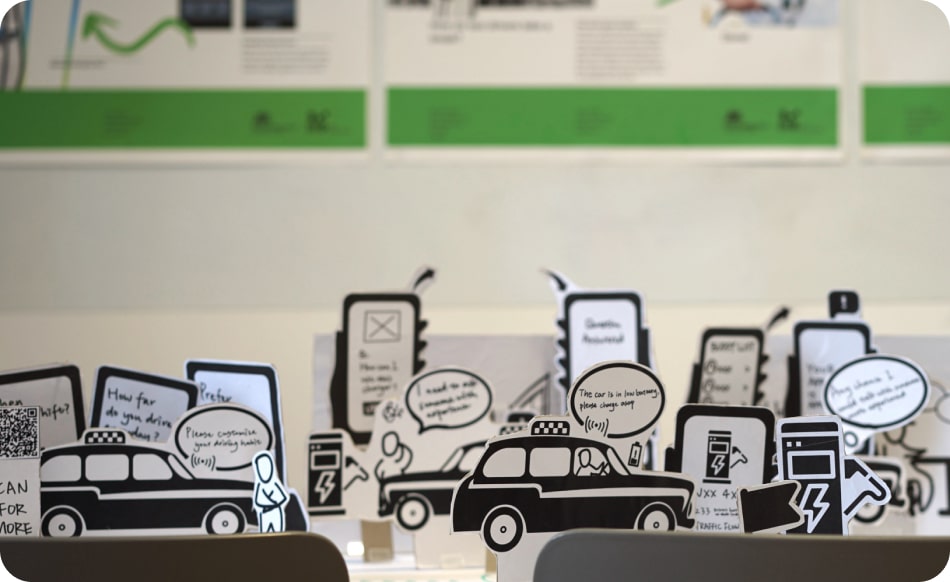
We interviewed 7 taxi drivers about the ideation and their opinions.
86%
of interviewed drivers are willing to help each other out in the community forum.
7 / 7
interviewees believe the lucky charger function would help with their anticipation of preferred chargers usage.
"There is a 11 o'clock lunch club thing we have, every Thursday we meet and have our lunch together in this green tooth"
User research should be tailored to different user groups. For the taxi drivers who prioritize efficiency and believe that “time is money” in this case, they were difficult to engage at the beginning. We later adapted our approach by identifying a lunch hub where they gathered and blended in casually to gain more insights without the frequent rejections we had with direct interviews.
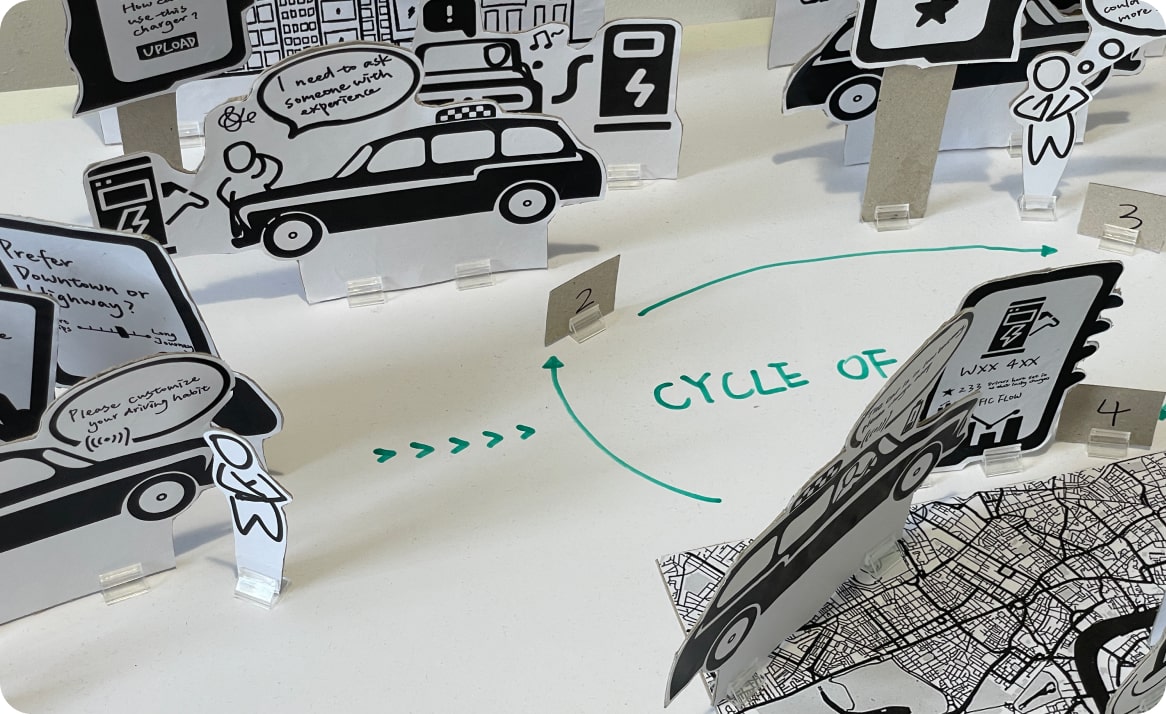
Storytelling enhances the effectiveness of users testing. I used paper prototype to illustrate different user scenarios, making interactions with users more engaging and relatable, therefore, they participated more actively and were more likely to share their thoughts.