
store location
Local dense communities
It creates a warm and approachable dining atmosphere.
本项目正文暂仅提供英文版本。
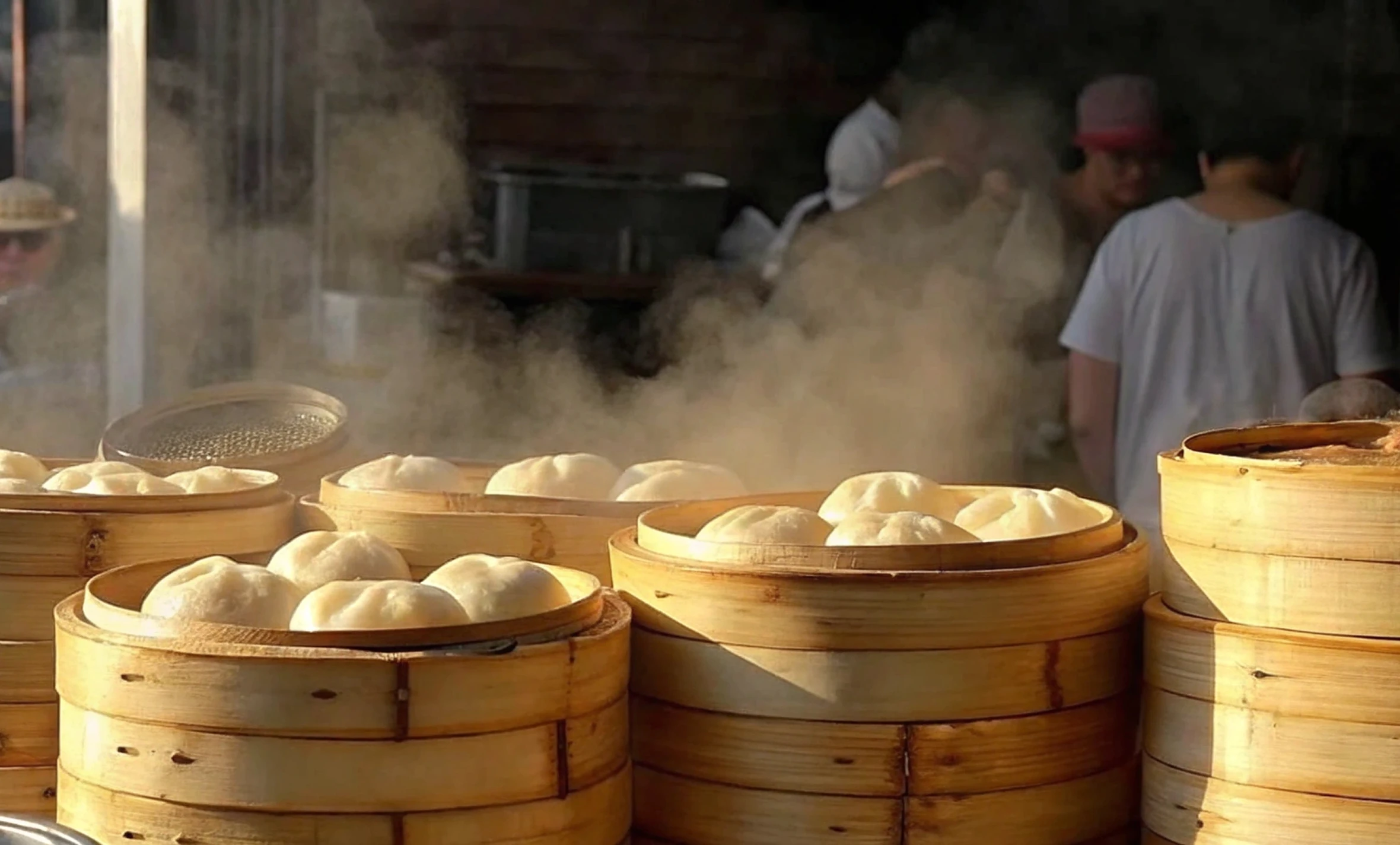
Once a thriving local favorite, Chanlong, a small community-rooted fast-food chain in the city of Qingdao, saw its prime years earlier when it rapidly expanded to a network of 10 stores across the city. In recent years, however, the brand has struggled to maintain its appeal as competition from larger chains and changing consumer preferences have taken a toll.
With its core customer base drifting away, Chanlong now finds itself at a critical juncture. The need for a comprehensive brand renewal is urgent.
To start with, we studied the current consumers of the brand about their satisfaction level, along with their needs and concerns through either telephone or in-store interviews. With a questionnaire focusing on the relevant consumption, scenario-based needs, impression towards Chanlong of consumers and their other favorable substitutes, over 30 people are interviewed for at least 15 minutes, ranging from 25 to 75 and covering both customers and staffs in-store.
50%
Busy professionals looking for something quick and filling to get them through the day.
32 · Blue Collar
“Spend wisely, and save where possible.”
While Chanlong's core offerings of "bao" and the in-store service are well perceived, consumers also value speed, taste, meal deals, and price as key decision-making factors. 4 user personas are initially developed.
We conducted desk research to identify potential customers beyond Chanlong’s existing customer base, focusing on two questions.
Demand for Chinese-style fast food has grown as consumers seek convenient everyday meals. Working professionals aged 25–34 are a core customer group, with food quality and value for money among their main priorities.
Qingdao’s growing industries have attracted young professionals from across China. The city also draws tourists of different ages, creating opportunities to serve both local residents and visitors.
The research identified young visitors as an additional customer group. Of the five groups identified across the interviews and desk research, we prioritized blue-collar workers, office workers, parents, and young visitors.
We then examined the offerings and positioning of competing brands favored by these groups. For the competitors we selected, we visited their stores, tried their food, and assessed their respective strengths and weaknesses.
After the competitive analysis, the current situation of the brand is also closely reviewed, including its products, stores, marketing, operational strategies, and journeys especially.
Customer journeys with sharper peaks, indicating certain aspects of their experience resonate with customers, even if they are not as consistent overall.
A rather stable emotional curve, delivering a balanced but not truly impressive experience for its customers.
Direct interaction is the most labor-intensive of the three. It's where Chanlong staff spend the most face-to-face time with customers.
Building on the research insights and discussions in several internal workshops with the client, it is decided that the major challenge of Chanlong would be to solidify the single-store model while also emphasizing diverse and unique product offerings, efficient dining experiences, and reasonable pricing for its target consumer groups, primarily office workers and caring parents.
The emotional curve for Chanlong's customer experience suggests that while Chanlong has maintained a steady presence, it is not so much a memorable experience for its customers. Further examination of Chanlong's process chain network reveals a high degree of direct interactions between staff and customers, which tend to carry higher labor costs. This presents an opportunity for the brand to optimize its processes by shifting towards more indirect and independent interactions to improve operational efficiency and lower labor costs.
In essence, the consumer cognition mostly centers around Chanlong being a moderately priced, accessible restaurant near work, with a passable but not outstanding dining experience. This suggests the brand has not yet managed to establish stronger, more differentiated associations in the minds of consumers.
Through further workshops, the client agreed on a new direction for Chanlong as a Shandong-based fast-food chain built around signature steamed bao and everyday dining needs.
store location
It creates a warm and approachable dining atmosphere.

core product
It will be used as a foundation to expand the product range through the "steaming" technique to create a diverse menu, catering to multi-scenario dining needs throughout the day.

brand persona
It conveys a sense of professionalism, innovation, and warmth.
The goal is to establish the brand as a quality dining option in the local community, attracting customers seeking a genuine, non-perfunctory experience, while also maintaining a sense of freshness and innovation.
To elaborate the idea on the customer journey, the experience is designed based on the concept of "Convenience Store" for its time-based offerings and self-service experience. By doing so, the brand aims to embed itself deeply into customers' daily lives, creating an accessible and efficient experience to better cater to their routines and spontaneous needs.
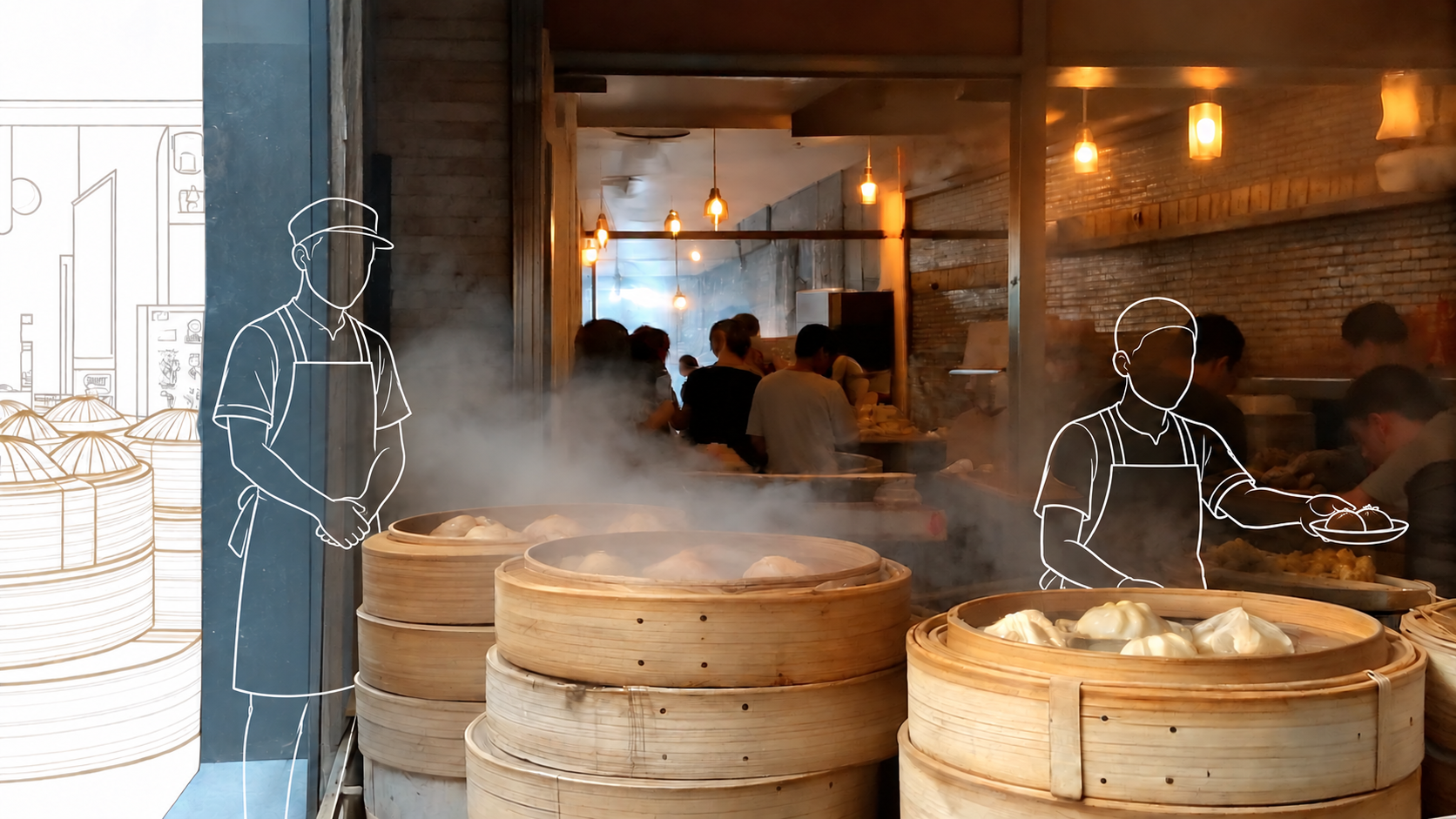
To run a successful co-creation workshop, ensure that participants are aligned and share a common understanding. Use engaging language when introducing knowledge or tools for better clarity and collaboration.
Understanding the true needs of clients’ requests is essential to uncover more efficient solutions. Sometimes the same goal can be achieved through a simpler, more cost-effective approach.